Calgary sits at roughly 1,048 meters above sea level, with a geology shaped by glacial till, glaciofluvial deposits, and the underlying Paskapoo Formation. These layers, combined with seasonal freeze-thaw cycles and intense spring runoff, create slopes that can shift unexpectedly. Monthly geotechnical slope monitoring in Calgary tracks that movement over time, catching millimeter-level creep before it becomes a liability. When we set up an initial baseline, we often pair the surface readings with a georadar survey to map buried ice lenses or paleochannels that could drive future instability. The data from each monthly visit feeds directly into trend analysis, helping owners decide when intervention is needed.
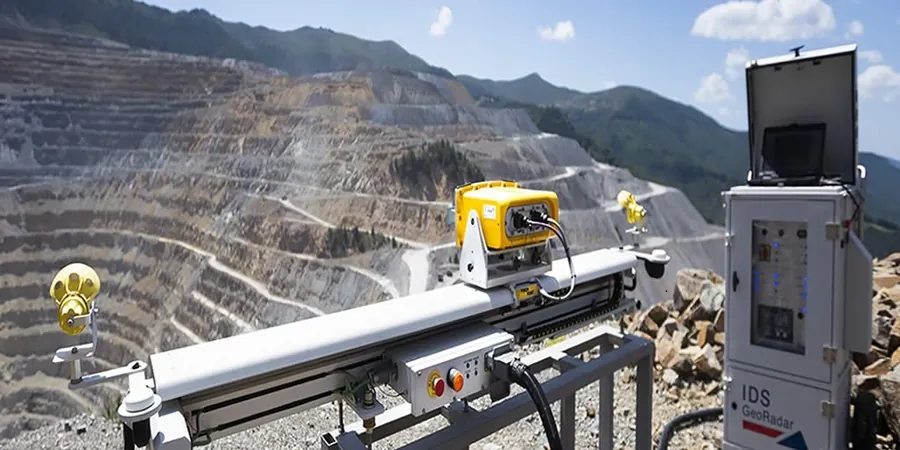
A monthly reading on a 20-meter slope in Calgary can detect 2 mm of movement that would otherwise go unnoticed until a tension crack opens.